There are five working ways to get free CS2 skins in 2026: Valve’s weekly care package, Trade Up Contracts, Major Pick’Em rewards, community giveaways, and free raffles on third-party platforms. None of them will hand you a knife overnight, but stacked together they grow a real inventory without you spending a cent on the Steam Community Market. Below we break down how each method works, what it realistically pays, and how to tell a genuine giveaway from a phishing link – including the free ticket-based giveaways that run around the clock on CSGOFast.
Key Takeaways
- As of August 2026, “free” on Valve’s side means “free after a one-time buy-in”: Prime status ($14.99) unlocks weekly drops, and a Viewer Pass ($9.99) unlocks Pick’Em predictions. Giveaways and platform raffles cost nothing.
- Free methods cap out at cheap and mid-tier items. Knives and gloves only arrive through a 5-Covert trade-up (a rule Valve added on October 23, 2025) or raffle luck.
- Don’t sell your junk drops: Consumer Grade and Industrial Grade skins are the fuel for Trade Up Contracts, where 10 skins of one rarity become a single skin of the next tier.
- Souvenir drops for watching Major streams are gone. Since the IEM Cologne 2026 update, souvenirs are built in the Major Shop using tokens.
- Scams share one tell: a real prize never asks for your Steam login, a deposit, or a “withdrawal fee”.
All Ways to Get Free CS2 Skins Compared
Every method below is legit and works in 2026. What separates them is the kind of item they hand over and how often the chance comes around. Prices reflect Steam Community Market data as of August 2026:
| Method | Items It Delivers | How Often the Chance Comes |
| Weekly care package | A skin or case from the active pool, mostly $0.05 – $2, rarely a Covert | Once a week, after you rank up |
| Trade Up Contract | One skin of the next rarity tier, built from ten of yours | As soon as you have 10 skins of one rarity |
| Major Pick’Em | Up to 900 Major Shop tokens (~$8.90) for stickers and souvenirs | Twice a year, during Majors only |
| Streamer and team giveaways | Stickers up to knives, odds depend on entrant count | Constantly across X, Telegram, Twitch, YouTube, Discord, Facebook |
| CSGOFast giveaways | Skins from each raffle’s prize pool, entered with tickets | Around-the-clock rotation of draws |
| Sign-up bonuses | Starting credit, a free case, or raffle entries | Once per platform |
The bottom three rows cost nothing at all. Valve’s two official methods carry a one-time buy-in instead: Prime status ($14.99) unlocks weekly drops, and a Viewer Pass ($9.99 per Major) unlocks Pick’Em. None of these methods asks you to buy skins themselves, and each breakdown below opens with what the method actually costs you.
The Weekly Care Package: Valve’s Official Free Drops
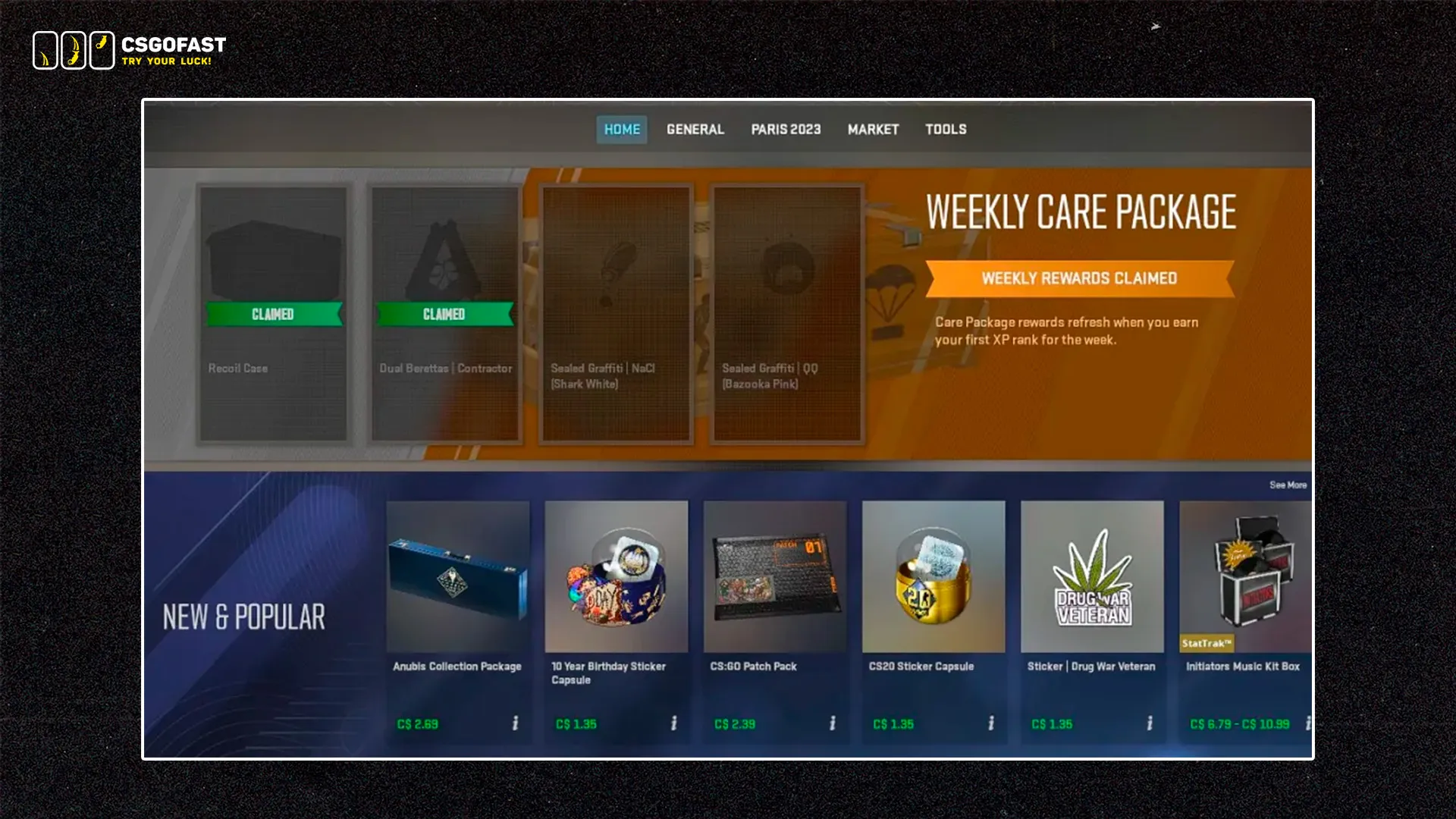
The weekly care package is the one method Valve operates directly. Earn enough XP to rank up your profile once a week, and the game offers you a short list of rewards to choose from – usually a mix of weapon cases, skins from the active drop collections, and graffiti. You pick one, per Steam Support’s drop documentation.
Most weeks that means a few cents’ worth of loot, but the reward list isn’t capped at cheap items. Every so often something genuinely worth keeping shows up, Covert skins included – the chance is small, though one such week outweighs months of ordinary drops.
The catch is Prime status. Accounts without the $14.99 upgrade get no weekly drops at all, so this method is “free” only after a one-time buy-in most active players made long ago.
Two tips squeeze more value out of it:
- Pick cases over graffiti. A case from the active pool sells for pocket change, but graffiti sells for even less, and some cases (like the Dreams & Nightmares Case) hold real market value.
- Don’t vendor the cheap skins. Consumer Grade and Industrial Grade drops look like junk, but they’re exactly what Trade Up Contracts eat.
Trade Up Contracts: Turning Drop Fodder into Real Skins
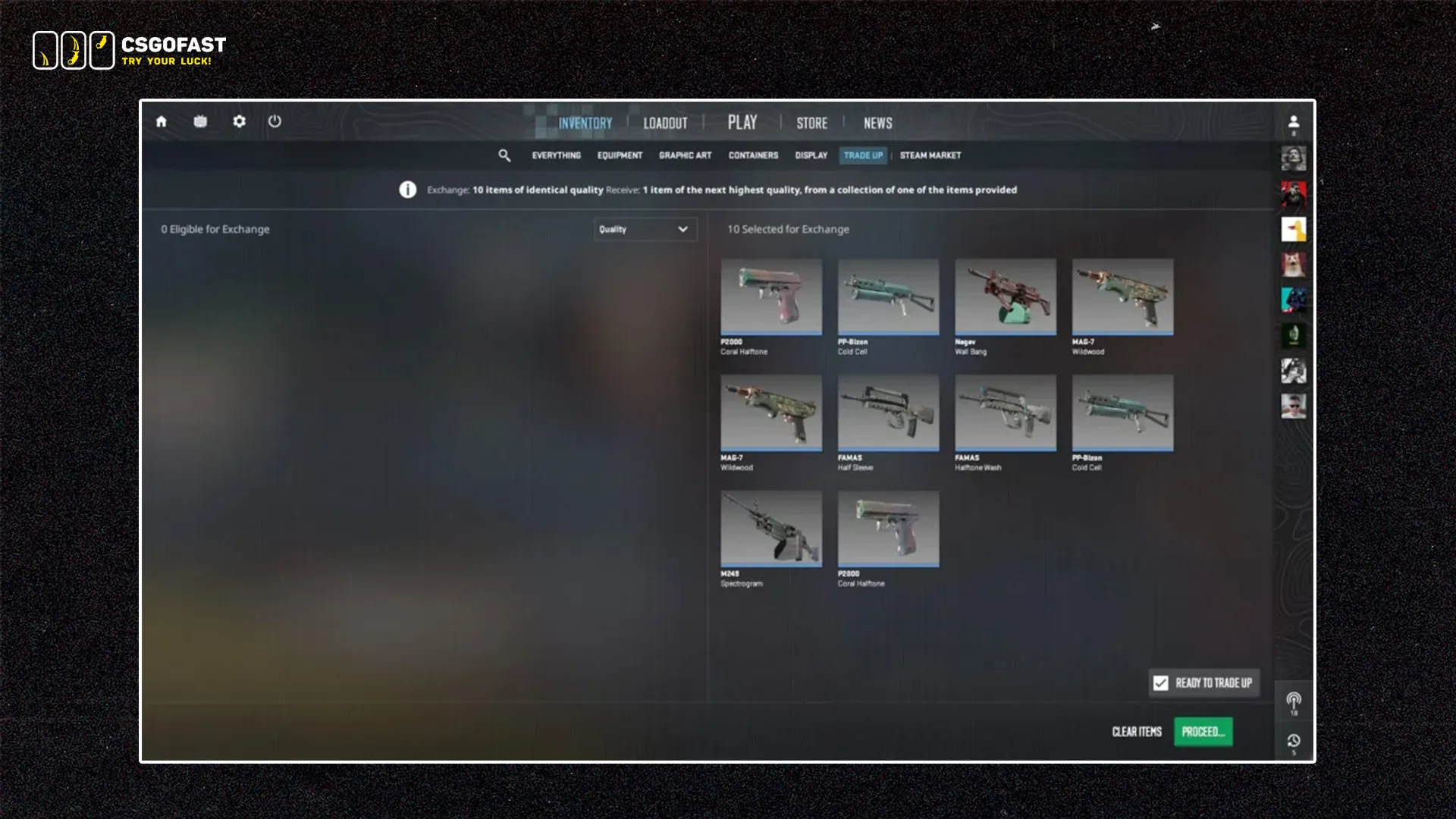
A Trade Up Contract consumes 10 skins of the same rarity and returns one skin of the next tier, randomly picked from the collections your input skins belong to. Strictly speaking it’s not free – you spend skins – but if those skins came from weekly drops, the output costs you nothing but patience.
The thing to know before your first contract: most combinations lose money on average. The result is random within the eligible pool, and a careless contract happily converts $10 of inputs into a $2 skin.
So the decision gets made with a trade-up calculator, not by eye. These tools list every possible outcome, the chance of each, and the average output value against what you’re putting in – run your combination through one and you’ll see immediately whether it’s worth your skins.
The mechanic got a serious upgrade on October 23, 2025, when Valve allowed trade-ups above Covert: put in 5 Covert skins and you receive a random knife or gloves from the corresponding cases. That single change repriced the entire red tier, and it means a long free-drop grind now has a genuine endgame.
Major Pick’Em: Predictions That Pay Major Shop Tokens
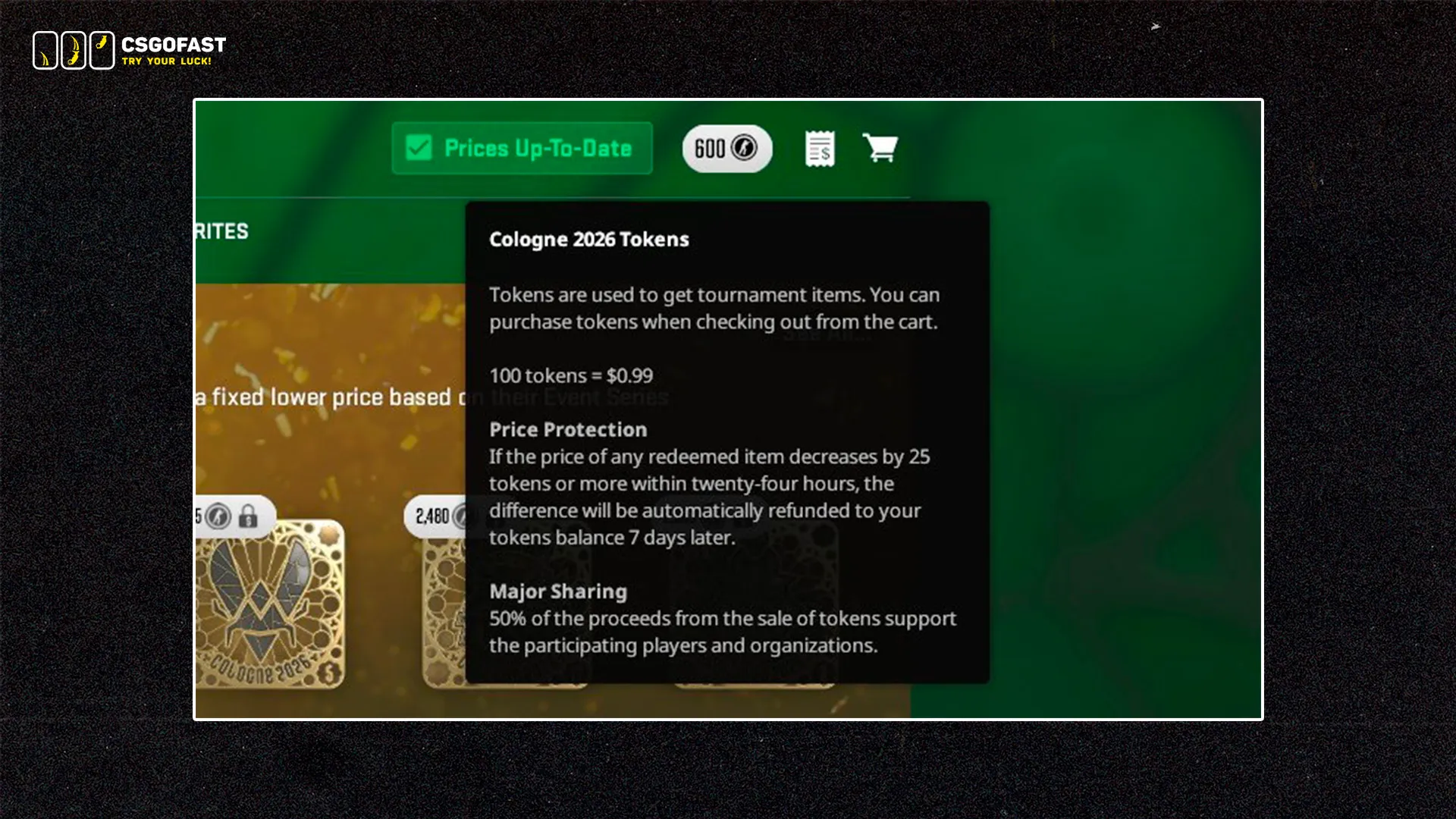
During CS2 Majors, the Pick’Em Challenge rewards correct predictions with Major Shop tokens. At IEM Cologne 2026, each coin upgrade – Bronze to Silver, Gold, and Diamond – paid 300 tokens, up to 900 total, spendable on team stickers, autographs, or custom souvenirs via the new Souvenir-O-Matic, per Valve’s official Counter-Strike blog.
Full honesty: this one isn’t free at the door. Pick’Em requires a Viewer Pass ($9.99 at Cologne 2026), and 900 tokens convert to roughly $8.90 at the shop’s own rate of 100 tokens for $0.99. Nail your predictions and the pass nearly pays for itself, with the upgraded coin and souvenirs on top. Miss most picks and you’ve just bought a bronze medal.
What you spend those tokens on decides the rest. Major Shop pricing is dynamic and the shop itself isn’t open year-round, so it pays to study how prices move on the stickers you want before you buy – that’s the difference between tokens that earn their keep and tokens that don’t.
The second Major of 2026, PGL Major Singapore, closes out the season at the end of the year, so that’s the next window for earning tokens.
Worth knowing: this part of the Major used to work completely differently. You linked your Steam account to the broadcast, watched matches, and a free souvenir package dropped into your inventory – opening it gave a random skin carrying gold team stickers and player autographs from that specific match. That’s how legends like the souvenir AWP | Dragon Lore entered the game and sold for five figures. The May 22, 2026 update removed souvenir packages and sticker capsules alike, so the free lottery for watching is gone.
Streamer, Team, and Community Giveaways
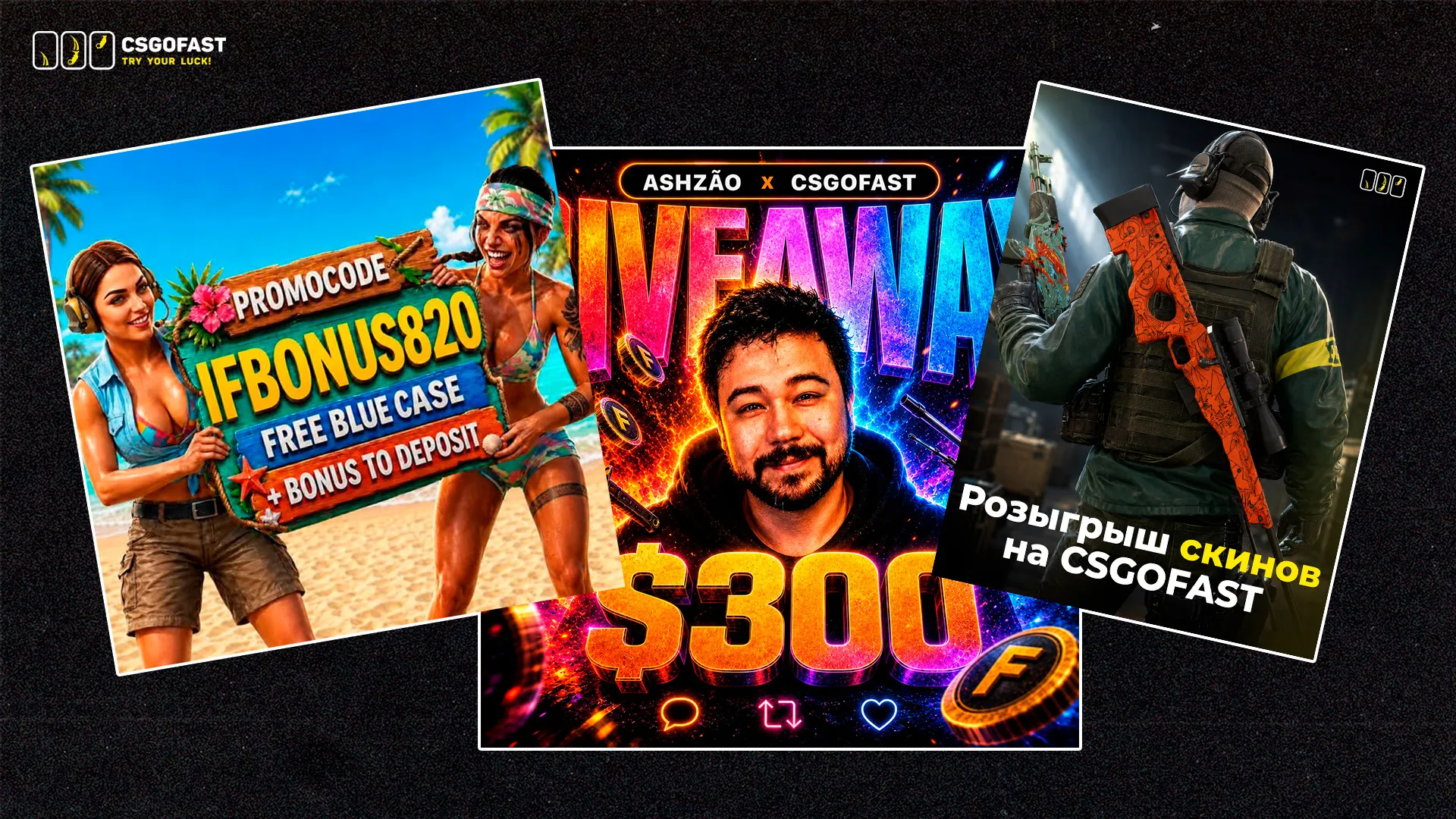
Streamers, esports organizations, and pro players run skin giveaways constantly on X, Telegram, Twitch, YouTube, Discord, and Facebook – it’s a standard audience-growth tool, and the prizes are real. Entry usually costs a follow, a repost, or a Discord join.
The same popularity makes this the scammer’s favorite hunting ground. Keep three rules:
- Check the account. Fake profiles copy a streamer’s name and avatar with one letter changed. Verify the handle against the person’s official links.
- Winning costs nothing. Any “delivery fee”, “verification deposit”, or trade-hold payment means it’s a scam, full stop.
- Handing over your own link is fine, clicking someone else’s isn’t. Organizers almost always ask for your Steam profile link or trade URL, and that’s a normal part of sending a prize: a trade URL only lets someone send you an offer, granting no access to your inventory or account. The risk runs the other way – when they send you a link. A “prize claim” page with a Steam login form is nearly always fake, while a real win arrives as an ordinary trade offer inside Steam itself.
CSGOFast Giveaways: Free Raffles With Farmable Tickets
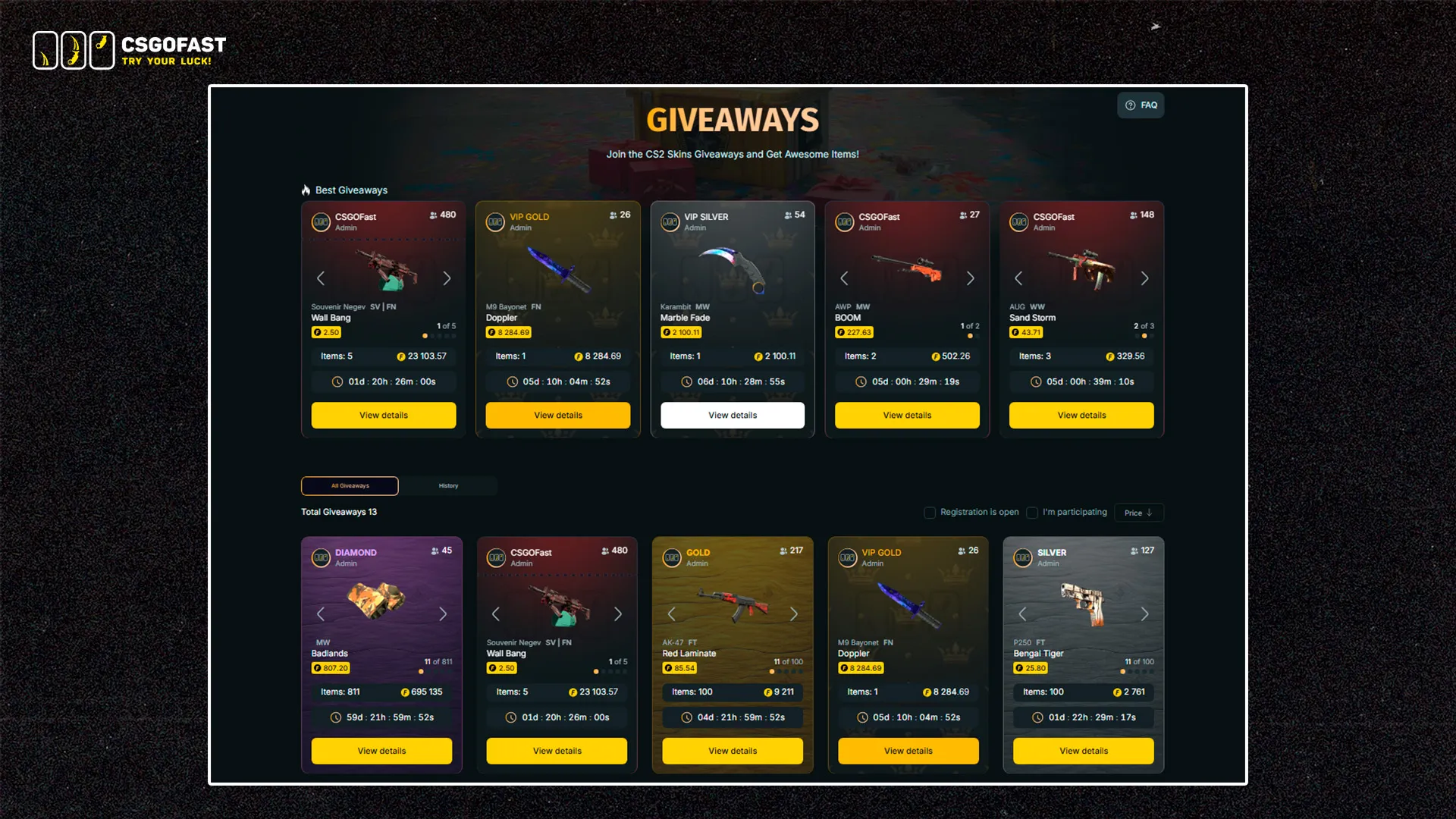
If chasing random reposts sounds inefficient, there’s a more systematic option. The CSGOFast giveaways page runs a constant rotation of free skin raffles, and the entry currency is tickets you farm through regular activity on the site rather than buy.
The format has two things going for it. First, volume: dozens of raffles with open registration sit on one page, so there’s nothing to hunt down across other people’s channels. Second, transparency: every draw shows its prize, its ticket cost, and the timer until registration closes, so you know exactly what you’re entering.
The practical loop is simple: play, collect tickets, enter every draw you like before its registration window closes, repeat. There’s no cap on how many concurrent giveaways one account can enter.
Sign-Up Bonuses on Third-Party Sites
Most skin trading and case-opening platforms offer a small welcome bonus – starting credit, a free case, or raffle entries for registering and verifying an email. These offers are real and cost nothing, which makes them a legitimate line in the free-skins toolkit.
Read the terms before counting the money, though. Bonuses often carry wagering requirements or withdrawal minimums, and a “free” $2 that requires a $20 deposit to unlock isn’t free. Treat sign-up credit as a bonus on a platform you already trust, never as a reason to hand a random site your Steam authorization.
How to Spot Free Skin Scams
The phrase “free CS2 skins” attracts more scams than any other query in the game’s economy. As of August 2026, these five patterns cover nearly all of them:
- Skin generators. Sites promising to “generate” any skin into your inventory. Technically impossible – skins exist only on Valve’s servers. 100% scam, every time.
- Phishing logins. Fake tournament votes, fake giveaway claims, fake “cheap skin shops” that open a pixel-perfect copy of the Steam login page. Type steamcommunity.com yourself, always.
- API key theft. After phishing your credentials, scammers use your Steam Web API key to cancel your real trades and substitute identical-looking offers to their own bots. If you’ve ever entered your login on a shady site, revoke your API key immediately.
- Impersonation giveaways. Cloned accounts of streamers or esports orgs announcing you “won” something you never entered.
- Withdrawal fees. Any prize that needs a payment to release is not a prize.
Steam Guard Mobile Authenticator, manual URL entry, and healthy skepticism toward anything unsolicited block effectively all of it.
Once your free drops pile up, the CSGOFast upgrader turns them into one specific skin instead of another year of grinding.
FAQ
How do you get free CS2 skins without Prime status?
Without Prime there are no weekly drops at all, which leaves three routes: giveaways from streamers and platforms, sign-up bonuses, and Trade Up Contracts built from skins you already own. The simplest option also works – ask friends for their spare drops, since active players pile up cheap skins by the dozen and rarely have any use for them.
How many skins can you realistically collect in a year from free drops alone?
The weekly care package yields roughly 52 items a year, most of them worth $0.05 – $2, so a year adds up to somewhere around $20 – $60 in market value. Luck breaks that math: a single Covert skin from a weekly reward is worth more than a full year of small drops. Barring that, real growth comes from not selling the cases – containers appreciate once they leave the active drop pool, and the cheap skins feed trade-ups.
Why can’t I trade a skin I just won right away?
Two separate restrictions apply. Any item received in a trade or bought on the Steam Community Market can’t be passed on for the next 7 days – that’s a lock on the item itself and it applies to everyone. Separately, an account without an active Steam Guard Mobile Authenticator gets a hold of up to 15 days on all trades, lifted only once the authenticator has been running for at least a week.
Can you turn free CS2 skins into real money?
Not through the Steam Community Market: selling there credits Steam Wallet funds that only work inside the platform, and roughly 15% is taken in fees per sale. Real money comes from third-party marketplaces, where fees are usually lower but choosing a trustworthy service is on you.
Do knives drop in the weekly care package?
No – knives and gloves aren’t in that pool at all. The weekly reward most often holds cases, graffiti, and low-rarity skins, but that isn’t the ceiling: a Covert skin turns up in the list every so often. Three routes lead to a knife: open a case, run a contract with 5 Covert skins, or win a giveaway.

I write about CS2 skin gambling , focusing on how things actually work rather than how they are marketed. Most of what I cover comes down to game mechanics, risk, and the small details that people usually overlook when getting started.